

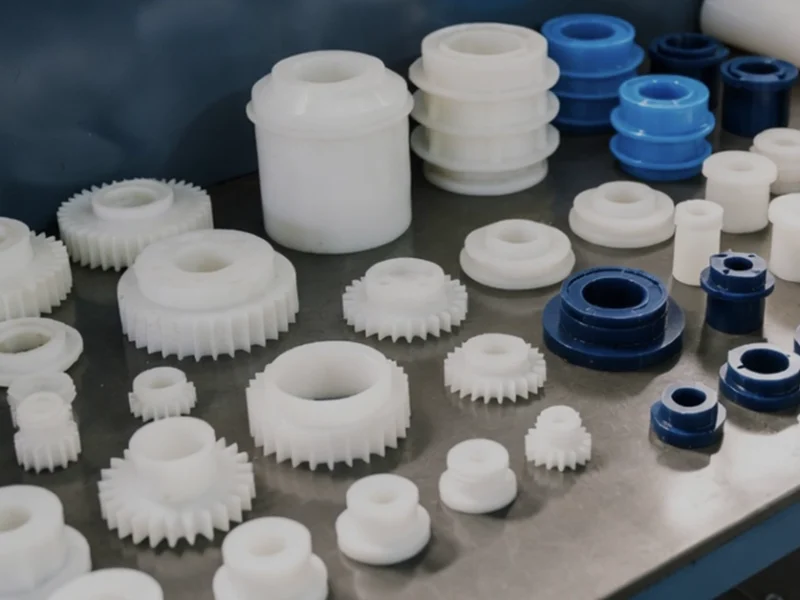
Plastic machining is fundamentally different from metal machining. Plastics expand, contract, melt, and react to cutting forces in ways that can ruin a part if the machinist doesn’t have specialized experience. Choosing the right material is only half the battle, how that material is machined often determines whether the part performs reliably or fails in the field.
At Konrady Plastics, we’ve spent decades perfecting the art of machining engineered plastics. Here’s why working with true plastic machining experts matters and what can go wrong when you don’t.
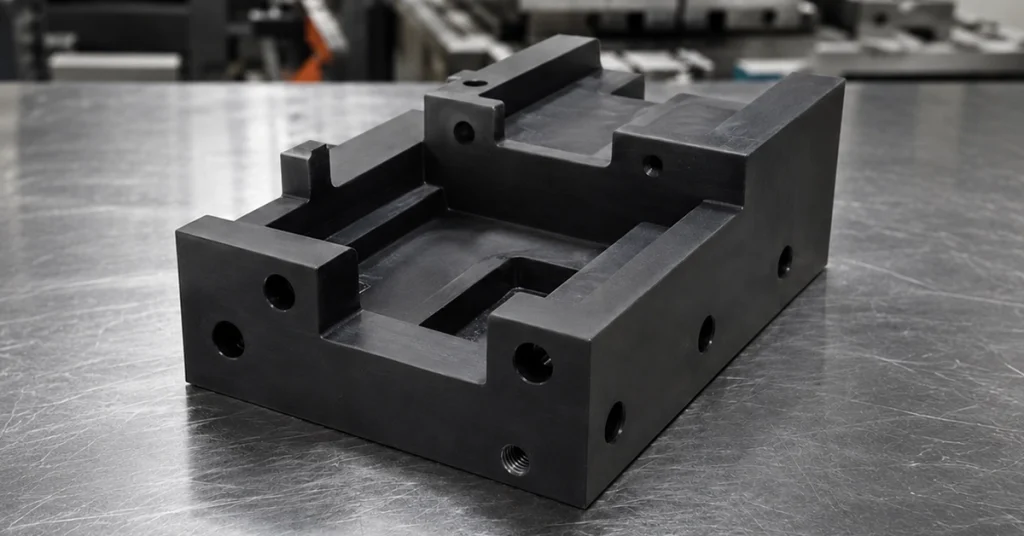
The Unique Challenges of Machining Plastics
Unlike metals, plastics are sensitive to:
• Heat generated during cutting
• Cutting forces and fixturing
• Material-specific properties (e.g., thermal expansion, moisture absorption)
• Tool selection and machining parameters
A general machine shop that primarily works with metal often applies the same techniques to plastic — with disappointing or costly results.
Common Failures When Plastic Parts Are Machined Incorrectly
Here are real-world examples of what can happen when plastic components are not machined by specialists:
1. Warping and Dimensional Instability A manufacturer sent acetal parts to a general machine shop for tight-tolerance bushings. The shop used aggressive feeds and speeds suitable for aluminum. The resulting heat caused the parts to warp after machining. The components fit during inspection but failed in assembly under load. Outcome: Full production run rejected, project delayed by weeks, and significant rework costs.
2. Melting and Poor Surface Finish PTFE (Teflon) seals were machined without proper coolant or adjusted parameters. The material melted at the cutting edge, leaving gummy residue and rough surfaces that caused leaks in the final assembly. Outcome: Field failures, warranty claims, and loss of customer trust.
3. Cracking and Brittle Failure Polycarbonate guards were machined with incorrect fixturing and tool paths. Residual stresses caused micro-cracks that propagated under impact. What should have been highly impact-resistant parts became brittle and unsafe. Outcome: Safety concerns and complete redesign of the component.
4. Inaccurate Tolerances Due to Material Selection A customer specified nylon for a high-moisture environment without expert guidance. The general shop machined the parts to print, but the nylon absorbed moisture post-machining and swelled beyond tolerance. Outcome: Parts no longer fit in the assembly, leading to costly material change and re-machining.
5. Chipping and Tool Marks on High-Performance Plastics PEEK components for medical equipment were machined without specialized techniques. The parts showed visible tool marks and edge chipping, failing visual and functional inspections. Outcome: Expensive scrap and delayed validation for a regulated industry.
How Expert Plastic Machining Delivers Better Results
Working with a dedicated plastic machining partner like Konrady Plastics changes the outcome dramatically:
• Material Expertise
We recommend the best plastic for your temperature, chemical exposure, wear, regulatory (FDA, NSF, etc.), and mechanical requirements.
• Machining Know-How
Optimized speeds, feeds, tooling, coolants, and fixturing for each specific material.
• Design for Manufacturability (DFM) Feedback
We review prints early to suggest changes that improve performance and reduce cost.
• Consistent Quality
ISO 9001 certified processes with rigorous inspection.
The result is parts that meet print, perform in the real world, and arrive on time.
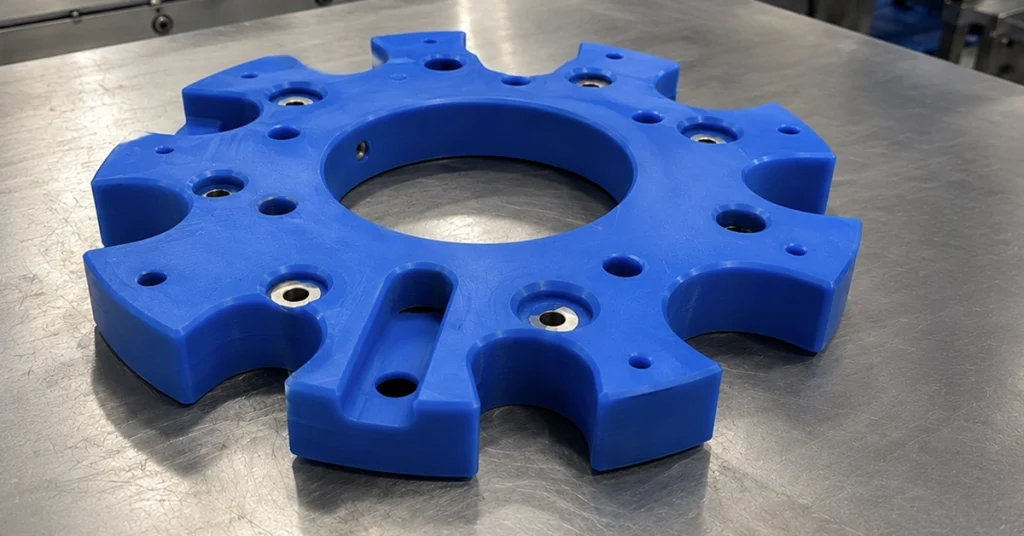
Ready to Get It Right the First Time?
If you’ve experienced any of the issues above, or want to avoid them entirely, our team is here to help.
Contact us today with your part print or application details. We’ll provide expert material recommendations and a precise quote, usually the same day.